

There are recipes that feel gentle and nostalgic, like familiar stories you have heard a thousand times. And there are recipes that feel bold, surprising, and unforgettable from the first moment you taste them. Burnt Honey Pie belongs to the second category. Its flavor does not hide or whisper. It announces itself with confidence. It arrives warm, rich, and layered, with a taste that is deeper than honey, more complex than caramel, and more comforting than any custard pie you have ever had.
The first time I tasted a version of Burnt Honey Pie was in a quiet kitchen on a late autumn afternoon. A storm was rolling in, and the windows trembled softly with every gust of wind. Inside, the kitchen was warm and glowing from the oven. A pot of honey simmered gently on the stove, darkening slowly as it bubbled. The air was filled with the scent of something sweet, but not the bright sweetness of raw honey. Instead, it smelled toasted, warm, almost smoky, the way sugar deepens into caramel when cooked with patience.
The cook, an older woman who moved slowly but confidently, told me that burning honey was a technique she learned decades ago. Not burnt to bitterness, but cooked just long enough to unlock secret flavors hidden inside. Honey, she said, reveals itself differently when treated with heat. It becomes deeper, rounder, more expressive. It turns into something meant for pies, custards, glazes, and cakes. Something meant to comfort.
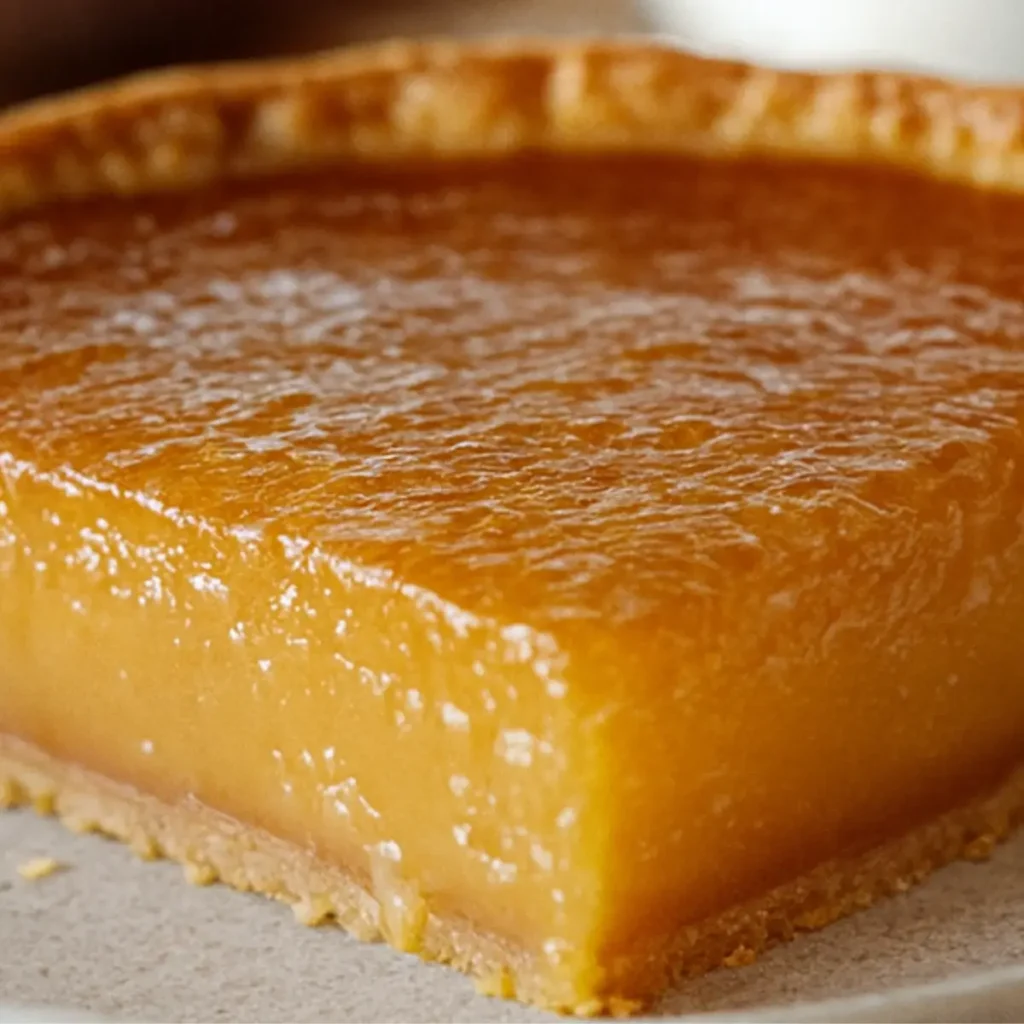
She poured the darkened honey into a bowl to cool, and I watched the thick ribbon fall from the spoon like molten amber. Later, when she whisked it into a custard base and poured it into a pie crust, the fragrance intensified. It was warm and floral, with notes of toasted sugar and a hint of bitterness that promised complexity rather than sweetness. When the pie finally came out of the oven, it looked simple, even humble. A golden surface with slight cracks and a silky shine. But when she cut a slice and placed it in front of me, I understood why she loved this recipe so much. The flavor was bold, rich, and hauntingly good.
That memory stayed with me, and it became the inspiration for this Burnt Honey Pie Bold Flavor in Every Bite. This blog will guide you through creating your own version of this extraordinary dessert at home. You will learn how to caramelize honey with confidence, how to build the smoothest custard filling, how to bake the pie to the perfect texture, and how to serve it beautifully. You will also learn variations, serving ideas, troubleshooting tips, and why this pie works so well as a unique dessert for any season.
This recipe is simple, but simple recipes demand attention to detail. When you treat each ingredient with care, the pie rewards you with depth and flavor that feel almost magical. The heart of this dessert is burnt honey, so let us start there.
Table of Contents
Table of Contents
The Magic of Burnt Honey
Burnt honey is honey that has been cooked slowly until it darkens and develops deep caramelized notes. Raw honey is bright, floral, and sweet. Burnt honey is dark, warm, rich, and layered. Its flavor hints at caramel, toffee, toasted sugar, and warm spices. It also carries a subtle bitterness that keeps the pie balanced and prevents it from tasting overly sweet.
When honey is heated, its natural sugars break down and transform. This process, similar to caramelization, creates complexity. Honey also contains acids, minerals, and aromatic compounds that change under heat. That is why burnt honey tastes deeper and more interesting than caramel alone. It has a personality unique to itself.
This transformation is the foundation of Burnt Honey Pie. The custard filling becomes silky and rich, but it is the honey that gives the pie its bold and unmistakable character.
Why This Pie Works for Every Season
Burnt Honey Pie tastes warm and comforting in winter. In fall, its caramelized notes pair beautifully with spices and earthy meals. In summer, it becomes lovely when served chilled with fresh berries. In spring, it pairs well with citrus, floral flavors, and light herbs. This versatility makes it a dessert you can return to throughout the year.
Another reason this pie works so well is its texture. The custard is silky and smooth without being heavy. The crust adds crispness and structure. The flavor is bold but balanced. Every bite feels indulgent yet controlled. It is a dessert that invites second servings.
Ingredients You Will Need
Honey
Butter
Eggs
Heavy cream
Salt
Lemon juice or apple cider vinegar
Vanilla extract
Pie crust or graham cracker crust
These ingredients work together to create balance. The honey provides depth. The butter adds richness. The cream softens the intensity of burnt honey. The lemon juice brightens the flavor. The vanilla smooths the edges. And the crust gives contrast both in texture and taste.
How to Burn Honey Correctly
Caramelizing honey is simple but requires patience.
Pour honey into a heavy saucepan.
Place it over medium-low heat.
Allow it to bubble and foam.
Stir occasionally, but not constantly.
Watch as the color deepens gradually from gold to amber to deep bronze.
Remove immediately when it reaches a warm, toasted fragrance.
If the honey becomes too dark or starts smoking aggressively, it may become bitter. The goal is not to scorch it, but to deepen it until the flavor becomes rich and bold.
Once cooked, let the honey cool for several minutes. It will thicken and darken even more as it settles.
Making the Custard Filling
Whisk eggs in a medium bowl until smooth.
Add heavy cream, melted butter, lemon juice, vanilla, and salt.
Slowly stream in the warm burnt honey while whisking.
This method ensures the eggs do not scramble and the custard forms a smooth, glossy base. The mixture should be thick, fragrant, and slightly warm.
Preparing the Crust
A flaky pie crust is classic and beautiful for this recipe. Its buttery layers contrast the creamy filling. Blind bake the crust before filling it. This prevents sogginess and ensures crisp texture.
A graham cracker crust is another excellent option. It adds warmth and slight sweetness that pairs nicely with the dark honey. Press the crust firmly into the pan so it holds its structure.
Either crust works, so choose based on the flavor and texture you prefer.
Baking the Pie
Pour the custard into the prepared crust.
Bake at a moderate, even temperature.
High heat can cause curdling or cracking.
The edges should be set while the center remains slightly wobbly.
As the pie cools, it will firm up beautifully.
The slow baking process ensures a silky texture without bubbles, cracks, or overcooking. When the pie cools, the custard becomes glossy and smooth.
Cooling and Setting
After removing the pie from the oven, let it cool at room temperature. This step allows the custard to finish setting. A warm slice will be soft and delicate. A chilled slice will be firm and elegant. Both are delicious, and the flavor deepens as the pie rests.
What Burnt Honey Pie Tastes Like
Burnt Honey Pie has a flavor unlike any other dessert. The custard is smooth and creamy. The honey brings notes of caramel, toffee, toasted sugar, and warm flowers. It is sweet but not sugary. Rich but not heavy. Bold but not overwhelming. The slight bitterness of caramelized honey balances the sweetness perfectly.
The crust adds structure and crispness. Each bite feels layered and satisfying. It tastes like a pie with history, depth, and intention.
Variations You Can Enjoy
For a bright version, add lemon zest.
For a warm version, add cinnamon or nutmeg.
For an extra bold version, cook the honey longer.
For a nutty version, add brown butter to the custard.
For a savory-sweet twist, add a teaspoon of white miso.
For a rustic version, use a graham cracker pecan crust.
Each variation brings out different notes in the honey.
Serving Suggestions
Serve slices with
lightly sweetened whipped cream
vanilla ice cream
fresh berries
a sprinkle of flaky sea salt
a drizzle of raw honey
toasted nuts
citrus zest
These additions brighten, complement, or enhance the flavor.
Storage and Make-Ahead Tips
Burnt Honey Pie stores exceptionally well.
Keep it refrigerated for up to four days.
Flavor improves over time.
Serve chilled or slightly warm.
You can also make the crust ahead, caramelize the honey ahead, or bake the entire pie the day before serving.
Frequently Asked Questions
Is burnt honey bitter
Not if cooked correctly. Properly caramelized honey is warm and complex, not harsh.
Can I use dark honey
Yes. Dark honey produces richer flavor.
Can I use store-bought crust
Absolutely.
Can I freeze the pie
Yes. Freeze slices and thaw overnight.
Can I serve it warm
Yes. Both warm and chilled versions are delicious.
Final Thoughts
Burnt Honey Pie Bold Flavor in Every Bite is a dessert that celebrates the beauty of transformation. Simple honey becomes something extraordinary when heated gently and treated with care. The result is a pie with deep flavor, silky texture, and warm complexity that feels both modern and timeless.


