
The smell of cinnamon and apples baking together is probably the most universally beloved scent in all of home cooking. It’s the smell that makes people walk into your kitchen asking “what are you making?” before they’ve even taken off their coat. This cinnamon sugar apple cake is the reason my neighbors suddenly become very friendly every October.
I discovered this recipe during a particularly abundant apple picking season when I had way too many apples and a desperate need to use them before they went soft. What started as a basic apple cake recipe evolved over the years into something genuinely special—tender and moist with chunks of sweet apple throughout, topped with a crunchy cinnamon sugar crust that caramelizes in the oven. It’s the kind of cake that disappears from the pan in under an hour, even when you think you’ve made enough for leftovers.
Table of Contents
Table of Contents
This isn’t a fussy, complicated dessert that requires special equipment or professional baking skills. It’s an honest, homestyle cake that tastes like someone’s grandmother spent all day making it, even though it comes together in about fifteen minutes of actual work. The kind of dessert that works equally well for a casual family dinner as it does for a holiday gathering. And the kind that makes people ask for the recipe before they’ve even finished their slice.
Why This Apple Cake Is Different
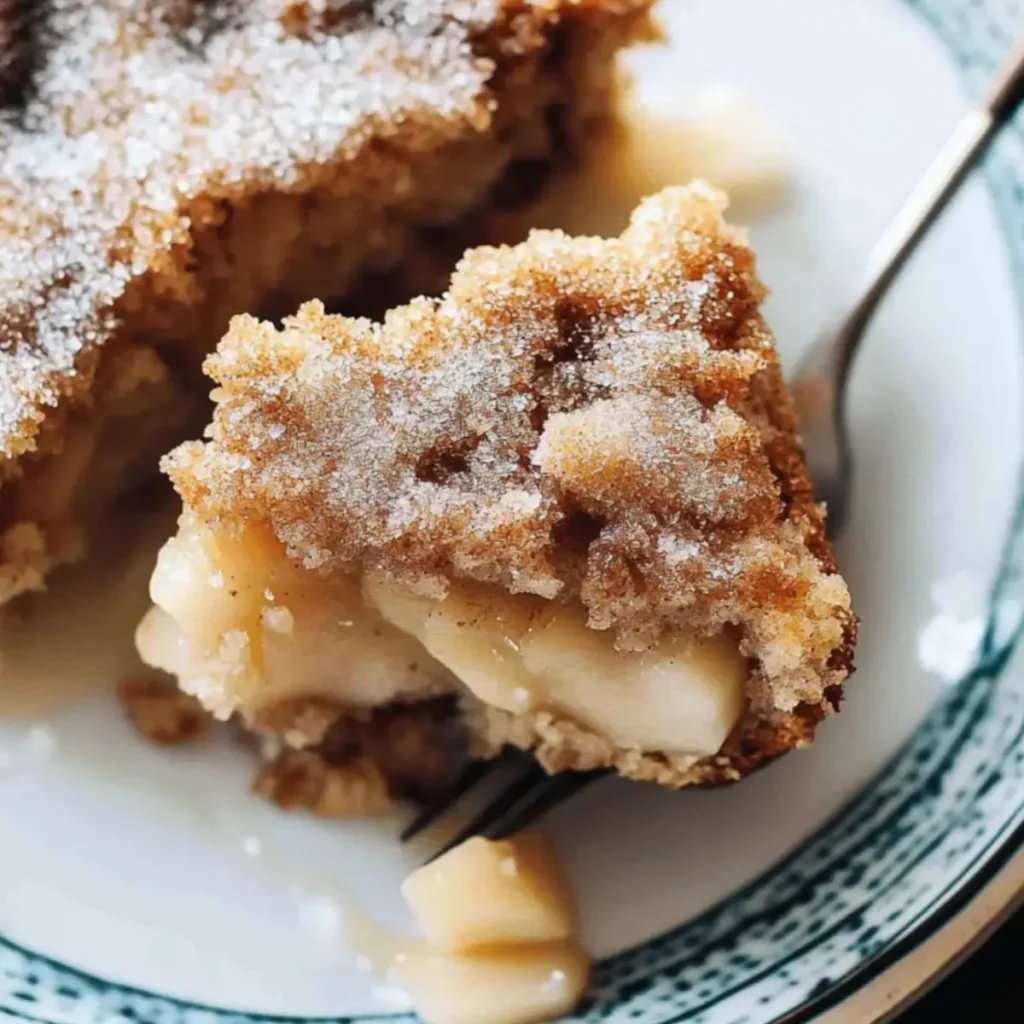
Every food blogger claims their version is “the best,” but here’s what actually makes this cinnamon sugar apple cake stand out: the texture. Most apple cakes are either too dense and heavy or too light and fluffy, losing that tender, moist crumb that makes you want another bite. This one hits that perfect middle ground—substantial enough to feel satisfying but light enough that you don’t feel weighed down after eating it.
The secret is in the fat ratio and mixing method. We’re using both butter for flavor and oil for moisture, which keeps the cake tender for days. The batter gets mixed just until combined—no longer—which prevents gluten development and keeps everything soft. And we’re using sour cream, which adds tanginess and incredible moisture while helping the cake stay fresh longer.
Then there’s the apple situation. Instead of finely dicing the apples or grating them into oblivion, we’re cutting them into chunks that stay distinct in the cake. You get actual pieces of tender, cinnamon-spiced apple in every bite rather than just “apple-flavored cake.” And because we toss the apples with cinnamon and sugar before adding them to the batter, they create these little pockets of concentrated apple-cinnamon flavor throughout.
But the real genius is the cinnamon sugar topping. Before the cake goes into the oven, we generously coat the top with cinnamon sugar, which creates a thin, crackly, caramelized crust as it bakes. It’s that perfect textural contrast—crunchy sweet topping giving way to tender, moist cake. It’s the reason people fight over the corner pieces.
What You’ll Need
For the cake:
- 2½ cups all-purpose flour
- 2 teaspoons baking powder
- ½ teaspoon baking soda
- ½ teaspoon salt
- 1 tablespoon ground cinnamon
- ½ teaspoon ground nutmeg
- ¼ teaspoon ground ginger (optional but recommended)
- ½ cup (1 stick) unsalted butter, softened to room temperature
- ¼ cup vegetable oil or melted coconut oil
- 1 cup granulated sugar
- ½ cup light brown sugar, packed
- 3 large eggs, room temperature
- 2 teaspoons vanilla extract
- 1 cup sour cream, room temperature
- 3 large apples (about 4 cups), peeled and cut into ½-inch chunks
For the apple coating:
- 2 tablespoons granulated sugar
- 1 teaspoon ground cinnamon
For the cinnamon sugar topping:
- ¼ cup granulated sugar
- 1½ teaspoons ground cinnamon
Special equipment:
- 9×13-inch baking pan
- Stand mixer or hand mixer
- Large bowl for tossing apples
How to Make This Perfect Apple Cake
Step one: Get organized and preheat. Preheat your oven to 350°F. This is important—don’t try to bake at 325°F thinking it’ll be gentler. The 350°F temperature is what creates that beautiful caramelized top while keeping the interior moist. Grease a 9×13-inch baking pan generously with butter or cooking spray, then dust it lightly with flour. This extra step prevents sticking and helps the cake release cleanly.
Pull out all your ingredients and let the butter, eggs, and sour cream come to room temperature if they’re not already. Room temperature ingredients emulsify better, creating a smoother batter and more even texture in the finished cake. Cold eggs can cause the butter to seize up, and cold sour cream won’t incorporate smoothly.
Step two: Prep your apples. Peel the apples and cut them into roughly ½-inch chunks. Don’t worry about being precise—irregular pieces actually create more interesting texture. I like using a mix of apple varieties for complexity: one tart apple like Granny Smith for brightness, one sweet apple like Honeycrisp or Fuji for sweetness, and one aromatic apple like Gala or Pink Lady for depth.
In a large bowl, toss the apple chunks with 2 tablespoons of sugar and 1 teaspoon of cinnamon. This pre-coating does two things: it starts drawing out moisture from the apples so they release their flavor into the cake, and it ensures every piece of apple tastes properly spiced. Set the bowl aside while you make the batter. The apples will start releasing juice, which is exactly what we want.
Step three: Mix the dry ingredients. In a medium bowl, whisk together the flour, baking powder, baking soda, salt, cinnamon, nutmeg, and ginger if using. Whisking instead of just stirring ensures the leaveners are evenly distributed, which means even rising. The spices get integrated throughout the flour, which helps them distribute evenly in the batter. Set this bowl aside.
Step four: Cream the fats and sugars. In a large bowl or the bowl of a stand mixer, beat the softened butter and oil together on medium speed for about 30 seconds until combined. Add both the granulated and brown sugar. Beat on medium-high speed for 3-4 minutes until the mixture is light, fluffy, and pale in color.
This creaming process is crucial. You’re incorporating air into the fat and sugar, which helps the cake rise and creates a tender crumb. Don’t rush this step. The mixture should look almost mousse-like and should have increased in volume noticeably. If it looks grainy or separated, keep beating. Room temperature butter is essential here—cold butter won’t cream properly.
Step five: Add eggs and flavorings. Add the eggs one at a time, beating well after each addition. Each egg should be fully incorporated before you add the next one. The mixture might look slightly curdled after each egg—that’s normal and will smooth out. Add the vanilla extract with the last egg.
Step six: Alternate wet and dry. Here’s where technique really matters. With the mixer on low speed, add about a third of the flour mixture. Mix just until you see a few streaks of flour remaining. Add half the sour cream and mix just until combined. Add another third of the flour, then the remaining sour cream, then the final third of flour.
Stop mixing as soon as you no longer see dry flour. Overmixing at this stage develops gluten, which makes the cake tough and dense. A few small lumps are completely fine. The batter will be thick and creamy, like a very thick frosting.
Step seven: Fold in the apples. Using a rubber spatula, gently fold the cinnamon-sugar coated apples into the batter. This part requires a gentle hand. You want to distribute the apples throughout without deflating all the air you’ve incorporated. The batter is thick, so the apples will stay suspended rather than sinking to the bottom during baking.
Some of the juice from the apples will mix into the batter, creating streaks of cinnamon-apple flavor. Don’t worry about this looking perfectly uniform—those streaks of concentrated flavor are part of what makes this cake special.
Step eight: The assembly. Scrape the batter into your prepared pan, using the spatula to spread it evenly into the corners. The batter will be quite thick, almost like spreading frosting. Take your time to get it level—uneven batter means uneven baking.
In a small bowl, mix together the ¼ cup sugar and 1½ teaspoons cinnamon for the topping. Sprinkle this mixture generously and evenly over the entire surface of the cake. Don’t be shy here—you want complete coverage. This topping will create that signature crackly, caramelized crust.
Step nine: Bake to perfection. Slide the pan into your preheated 350°F oven on the center rack. Bake for 45-55 minutes. The cake is done when a toothpick inserted into the center comes out with just a few moist crumbs attached—not wet batter, but not completely clean either. The top should be golden brown with darker brown edges, and the cinnamon sugar topping should look slightly caramelized.
The cake will puff up significantly as it bakes, then settle slightly as it cools. This is normal. If the top starts browning too quickly before the center is done, tent it loosely with aluminum foil for the last 10-15 minutes of baking.
Step ten: The hardest part—cooling. Let the cake cool in the pan on a wire rack for at least 20 minutes before cutting. I know it’s torture to wait, especially when your kitchen smells amazing, but cutting into it too soon means it’ll fall apart. The structure needs time to set.
That said, this cake is absolutely delicious served slightly warm with a scoop of vanilla ice cream or a dollop of whipped cream. The contrast between warm cake and cold ice cream is genuinely one of life’s great pleasures.
Understanding the Science
Baking is chemistry, and understanding why things work makes you a better baker. The combination of baking powder and baking soda in this recipe isn’t random. Baking soda reacts with the acidic sour cream, creating carbon dioxide bubbles that help the cake rise. Baking powder provides additional lift and helps the cake brown properly.
The blend of butter and oil is strategic. Butter provides flavor—nothing tastes like butter, and substituting all oil would make the cake taste flat. But oil provides moisture and tenderness that butter alone can’t match. Oil stays liquid at room temperature, which keeps the cake moist and tender even when cool. Butter-only cakes can become dense and hard when refrigerated.
Sour cream serves multiple purposes. Its acidity tenderizes the gluten in flour, its fat adds richness, and its moisture keeps the cake from drying out. The slight tanginess also balances the sweetness and complements the apples beautifully.
The cinnamon sugar topping undergoes caramelization in the oven. The sugar melts, mixes with the cinnamon, and creates a thin glaze that then hardens slightly as it cools, giving you that crackly texture everyone loves.
Apple Selection Guide
Not all apples are created equal for baking, and choosing the right ones makes a real difference. You want apples that hold their shape when cooked rather than turning to mush, and you want flavor that holds up to heat and spices.
Best choices:
- Granny Smith: Tart, firm, holds shape perfectly. The tartness cuts through sweetness beautifully.
- Honeycrisp: Sweet, crisp, maintains texture. Expensive but worth it.
- Braeburn: Balanced sweet-tart flavor, holds up well to baking.
- Jonagold: Sweet with a hint of honey, good texture retention.
- Pink Lady: Crisp, slightly tart, beautiful flavor.
Good choices:
- Gala: Sweet and mild, stays fairly firm.
- Fuji: Very sweet, decent texture though can get soft.
- Cortland: Slow to brown, maintains shape well.
Avoid:
- Red Delicious: Mealy texture, bland flavor, turns to mush.
- McIntosh: Too soft, breaks down completely, makes cake soggy.
- Golden Delicious: Can work but tend toward mushy.
My favorite combination is half Granny Smith for tartness and half Honeycrisp for sweetness. The contrast creates depth that a single variety can’t match.
Variations That Work
I’ve made this cake dozens of times with different tweaks and additions. Here are the variations that genuinely improve or change the cake in interesting ways:
Caramel apple version: Drizzle the cooled cake with salted caramel sauce. The sweet-salty combo with the apples and cinnamon is borderline addictive.
Streusel topping: Instead of cinnamon sugar, make a streusel with ½ cup flour, ¼ cup butter, ¼ cup brown sugar, and 1 teaspoon cinnamon. Sprinkle over the batter before baking.
Cream cheese swirl: Drop spoonfuls of sweetened cream cheese (8 oz cream cheese, ¼ cup sugar, 1 egg) over the batter and swirl with a knife before adding the cinnamon sugar topping.
Maple glaze: Mix 1 cup powdered sugar with 2-3 tablespoons maple syrup and drizzle over the cooled cake. The maple-apple-cinnamon trio is autumn perfection.
Nutty addition: Fold in ½ cup chopped pecans or walnuts with the apples for crunch and nutty flavor.
Whole grain version: Replace half the all-purpose flour with whole wheat pastry flour. The cake will be slightly denser but has wonderful nutty flavor.
Spice it up: Add ¼ teaspoon ground cloves or cardamom to the batter for more complex spice notes.
Storage and Make-Ahead Tips
This cake actually improves after sitting for a day. The flavors meld, the texture becomes more uniform, and it somehow tastes even more moist. Store it covered at room temperature for up to 3 days, or refrigerate for up to a week.
To freeze, wrap individual slices tightly in plastic wrap, then place in a freezer bag. Frozen slices will keep for up to 3 months. Thaw at room temperature or microwave individual slices for 30-45 seconds.
You can make the batter the night before and refrigerate it in the pan, covered tightly. Add 5-10 minutes to the baking time since the batter will be cold. I don’t recommend this for best results, but it works in a pinch.
The cake also reheats beautifully. Microwave individual slices for 20-30 seconds, or warm the whole pan covered with foil at 300°F for 15-20 minutes.
Serving Suggestions
This cake is wonderful plain, but here are ways to make it even better:
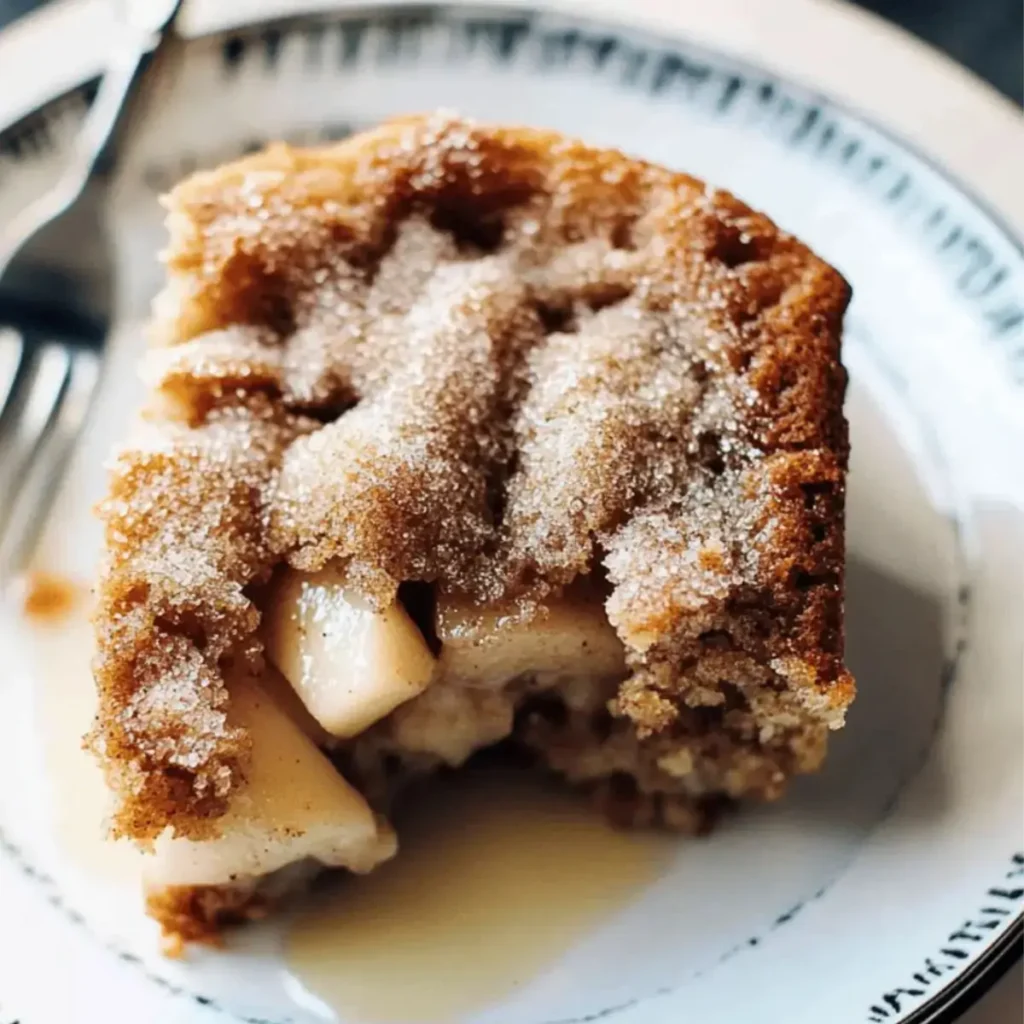
Classic combo: Serve warm with vanilla ice cream melting over the top. The cold-hot contrast is perfect.
Whipped cream: Lightly sweetened whipped cream with a touch of vanilla complements without overwhelming.
Caramel sauce: Warm salted caramel drizzled over each slice adds decadence.
Greek yogurt: For breakfast (yes, cake for breakfast), a dollop of vanilla Greek yogurt makes it feel almost healthy.
Coffee pairing: This cake with a strong cup of coffee is the ultimate afternoon pick-me-up.
Brunch presentation: Cut into squares, dust with powdered sugar, and serve on a pretty platter.
Troubleshooting Common Issues
Cake is too dense: You probably overmixed the batter after adding the flour, or your leaveners are old. Baking powder and baking soda lose potency after 6 months.
Top is too dark but center isn’t done: Your oven runs hot. Lower temperature to 325°F and bake longer, or tent with foil after 30 minutes.
Apples sank to bottom: The batter was too thin (possibly from overmixing) or the apples were cut too large and heavy. Make sure butter and eggs are room temperature for proper emulsification.
Cake is dry: Overbaked. Check 5-10 minutes earlier next time, and pull it when a toothpick has moist crumbs, not when it’s completely clean.
Cake stuck to pan: Didn’t grease well enough. Use butter and flour, or baking spray with flour. Let it cool completely before attempting to cut—warm cake is more fragile.
Why This Cake Deserves a Place in Your Recipe Box
In an era of complicated, Instagram-worthy desserts with twenty steps and exotic ingredients, there’s something deeply satisfying about a simple, honest cake that just tastes good. This cinnamon sugar apple cake isn’t trying to be fancy. It’s not molecular gastronomy or a towering showpiece. It’s just really, really good cake.
It’s the kind of recipe you’ll make over and over, the one you’ll think of when someone asks you to bring dessert, the one you’ll make on a random Tuesday just because. It uses ingredients you probably already have, comes together quickly, and always works. No drama, no fuss, no wondering if it’ll turn out.
And it makes people happy. I’ve seen people’s faces light up when they take a bite of this cake. I’ve watched kids ask for seconds before they’ve finished their first piece. I’ve had guests request the recipe before they’ve left my house. That’s the magic of simple, well-executed comfort food.
The smell of this cake baking is also worth mentioning. It’s the smell that makes a house feel like a home. Cinnamon and apples and sugar and butter—it’s the olfactory equivalent of a warm hug. Your house will smell like a candle store, except better because it’s real food creating that aroma.
Make It This Weekend
Here’s my challenge: make this cake this weekend. Not for any special occasion, not because you’re entertaining, just because. Bake it on Sunday afternoon. Let your house fill with that incredible smell. Cut yourself a warm slice with a scoop of ice cream.
Then watch what happens. Watch your family or roommates drift into the kitchen asking what smells so good. Watch the cake slowly disappear from the pan over the next few days. Watch yourself reaching for “just one more small piece” repeatedly.
This is the kind of baking that makes you remember why you started cooking in the first place. Not to impress anyone or create content or follow trends, but because making something delicious with your own hands is genuinely satisfying. Because sharing food you’ve made with people you care about is one of life’s simple pleasures.
So grab some apples—any apples, whatever’s available. Pull out your mixing bowl. Measure some cinnamon and sugar. Make this cake. Your kitchen (and everyone in it) will thank you.
And when someone asks for the recipe, share it freely. Good recipes are meant to be passed around, made over and over, tweaked and personalized. That’s how they become classics. That’s how a simple apple cake becomes your signature dish, the one people associate with you, the one they think of years later and smile.
That’s the real magic of cooking: not just making food, but creating memories and moments and feelings. This cinnamon sugar apple cake does all of that while tasting absolutely delicious. And honestly, what more could you want from a recipe?


